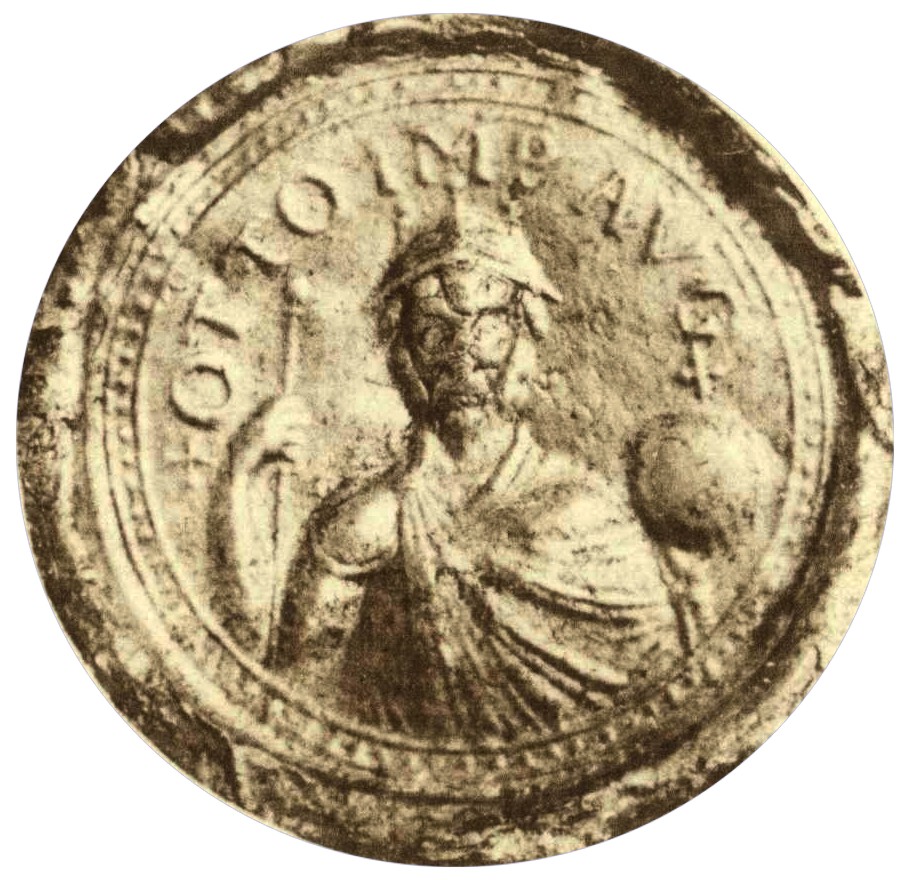
Deep within the hallowed halls of Magdeburg Cathedral, a monumental task is underway to safeguard the resting place of one of Europe's most pivotal historical figures: Otto I, known as Otto the Great. This isn't merely about preserving ancient stones; it's about connecting with the very foundations of the Holy Roman Empire and understanding the profound influence that he, much like a powerful Markgraf Otto Des Großen, exerted over a continent. Since January 2025, a dedicated team of archaeologists, conservators, and historians has meticulously examined Otto the Great’s tomb, employing state-of-the-art technology to protect this irreplaceable cultural heritage.
A Glimpse into the Past: Who Was Otto the Great?
To appreciate the ongoing work at Magdeburg Dom, one must first grasp Emperor Otto I's immense stature. Born in 912, he became King of East Francia in 936. His coronation as Emperor in Rome in 962 established the Holy Roman Empire—a political entity enduring over eight centuries. Otto's reign featured military prowess, notably his decisive victory at the Battle of Lechfeld in 955, and patronage of arts and sciences, fostering the "Ottonian Renaissance." His legacy is one of consolidation and distinct European identity. Understanding his impact, akin to a grand Markgraf Otto Des Großen, is crucial to comprehending his final resting place.
The Birth of an Empire and its Enduring Echoes
Otto the Great’s achievements laid the groundwork for a stable, complex relationship between secular power and the Church, profoundly influencing medieval Europe. His choice of Magdeburg as a key imperial center, and plans for an archbishopric there, underscore its strategic importance and his vision for consolidating power. The cathedral, rebuilt over centuries, testifies to this enduring vision. The archaeological work not only preserves his resting place but offers a tangible link to this foundational period, allowing exploration of millennium-old materials and practices.
Unveiling the Secrets: The Archaeological Endeavor at Magdeburg Dom
Extensive investigations into Otto the Great’s tomb were prompted by alarming signs of deterioration. This led to a collaborative conservation project by the Kulturstiftung Sachsen-Anhalt, the Evangelische Domgemeinde, and the Landesamt für Denkmalpflege und Archäologie Sachsen-Anhalt, recognizing the monument’s immense historical and cultural value.
A Monument in Peril: Why Intervention Was Crucial
Routine monitoring revealed significant damage to the sarcophagus, necessitating immediate action. Since January 2025, a protective enclosure has surrounded the tomb, creating a controlled environment for delicate work. Crucially, all efforts are taking place in situ, ensuring the emperor's remains are not removed from Magdeburg, thus preserving the site's integrity and historical context.
Cutting-Edge Techniques for Delicate Discoveries
The initial phase involved meticulous documentation: detailed drawings, high-resolution photography, and advanced 3D models via laser scanning. These digital models provide an invaluable baseline for current and future conservation. Prior to any physical opening, non-invasive methods assessed the sarcophagus's structural integrity. These investigations confirmed oxygen ingress through openings, posing a significant risk to the internal contents and underscoring the conservation's urgency.
The breakthrough came in early March when, under stringent security, the limestone sarcophagus's heavy deck plate was carefully lifted. Beneath it, as anticipated, lay a simple wooden coffin. This profound discovery offers a rare direct glimpse into medieval burial practices for someone of imperial stature, providing a tangible connection to the man whose influence, much like a powerful Markgraf Otto Des Großen, reshaped the political landscape. For more detailed information on the initial findings, you can read our related article: Otto the Great's Tomb Unsealed: New Insights from Magdeburg Cathedral.
Beyond the Sarcophagus: The Legacy of Markgraf Otto Des Großen
The wooden coffin's discovery opens a new chapter in understanding Otto the Great. While the external limestone sarcophagus speaks of imperial grandeur, the inner wooden coffin might offer more intimate details about the man and his era's customs. Its simplicity, juxtaposed with Otto I's monumental status, presents a fascinating paradox, typical of medieval elite burials.
What the Wooden Coffin Reveals
Focus now shifts to scientific analysis of the wood and potential residues. Such findings can illuminate:
- Materials and Craftsmanship: Insights into 10th-century timber sourcing and woodworking.
- Preservation Conditions: Understanding long-term interaction between coffin, contents, and environment.
- Ritual and Beliefs: Subtle details could inform Ottonian funerary rites.
Protecting Our Shared Heritage: A Collaborative Vision
The ongoing work at Magdeburg Dom powerfully testifies to cultural heritage preservation's importance. This multi-faceted endeavor combines historical scholarship, advanced archaeological techniques, and dedicated conservation science. Collaboration among state cultural institutions, academic bodies, and local communities ensures monuments like Otto the Great’s tomb are preserved, studied, and understood for future generations.
The challenges are immense, yet the rewards are equally great: a deeper connection to our past, fresh perspectives on pivotal figures like Markgraf Otto Des Großen, and the opportunity to share these insights globally. This project sets a new standard for monument conservation, demonstrating how responsible stewardship and cutting-edge research illuminate and safeguard the past.
In conclusion, the meticulous archaeological and conservation work at Magdeburg Cathedral on Otto the Great's tomb is far more than routine preservation. It's a profound journey to the origins of the Holy Roman Empire, offering invaluable insights into one of Europe’s most influential rulers. The discovery of the simple wooden coffin beneath the grand sarcophagus, coupled with advanced 3D scanning and non-invasive techniques, promises to unlock new secrets about 10th-century burial practices and the emperor himself. This collaborative initiative underscores the critical importance of protecting our shared cultural heritage, ensuring that Otto the Great's enduring legacy continues to inspire and inform future generations.