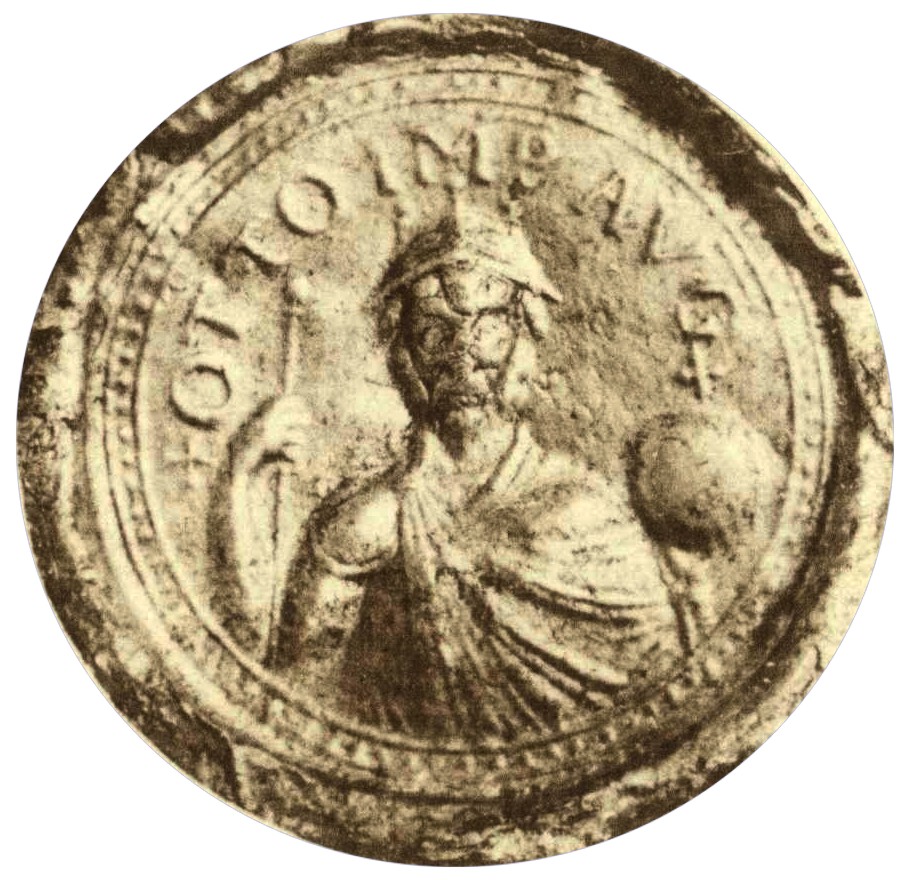
Unveiling a Millennium: Otto the Great's Tomb Unsealed at Magdeburg Cathedral
Magdeburg Cathedral, a towering testament to Gothic architecture and a cornerstone of German history, recently became the focal point of an archaeological event that has captured the attention of historians and enthusiasts worldwide. In early March 2025, under stringent security protocols, the weighty limestone lid of the sarcophagus belonging to Otto I, more famously known as Otto the Great, was carefully lifted. This momentous undertaking marks a critical new phase in the ongoing conservation and study of one of Europe's most significant medieval burial sites.
Otto I, who was elected King in 936 and crowned Emperor in 962, is widely regarded as the founder of the tradition of the Holy Roman Empire. His profound impact on European politics, culture, and religion cemented his status as a central figure in history. While various powerful figures named Otto shaped medieval Germany, including those holding titles like Markgraf, and the term "Markgraf Otto Des Großen" sometimes appears in discussions of the intricate tapestry of medieval German nobility, this groundbreaking investigation is unequivocally focused on Emperor Otto I – the historical giant whose legacy continues to resonate. The unsealing of his tomb is not merely a local archaeological endeavor; it's a profound step towards understanding the very foundations of European identity.
The extensive investigations into Otto the Great's tomb began in January 2025. What lay beneath the monumental stone lid, as anticipated, was a remarkably simple wooden coffin. This discovery, along with the detailed documentation of existing damage to the burial site, was presented during a joint press conference by the Kulturstiftung Sachsen-Anhalt and the Landesamt für Denkmalpflege und Archäologie Sachsen-Anhalt (State Office for Heritage Management and Archaeology Saxony-Anhalt). The project highlights a crucial intersection of historical preservation, advanced digital technologies, and dedicated archaeological expertise, all aimed at safeguarding a monument of immense cultural and historical value not only for Saxony-Anhalt but for the entire world.
A Glimpse Into History: The Conservation Project Begins
The decision to unseal Otto the Great's tomb was not made lightly. During routine monitoring conducted last year by the Kulturstiftung Sachsen-Anhalt and the Landesamt für Denkmalpflege und Archäologie Sachsen-Anhalt, alarming damage to the sarcophagus was observed. Both institutions, recognizing the national and indeed international significance of the monument, initiated comprehensive conservation measures. Since the beginning of 2025, the tomb has been encased within a closed timber panel structure, creating an optimal, controlled environment for the delicate work on the sarcophagus. Crucially, all work is being conducted on-site in Magdeburg, ensuring that the emperor's remains stay within the city he so profoundly shaped.
The initial phase of the project involved meticulous documentation. This included detailed technical drawings and high-resolution photographic records of the tomb and its externally visible damages. Furthermore, advanced laser scanning technology was employed to create precise 3D models. These digital representations serve as an invaluable foundation for all subsequent measures, offering an unparalleled level of detail for analysis and planning. Early investigations focused on the structural integrity and stability of both the sarcophagus itself and its immediate surroundings, utilizing various non-invasive and non-destructive measurement techniques to gather crucial data without disturbing the fragile historical context.
Among the initial findings from these non-invasive preliminary examinations was the confirmation that the sarcophagus has existing openings, allowing oxygen to penetrate its interior. This insight is vital for understanding the deterioration process and planning appropriate long-term conservation strategies. The emphasis on minimizing impact while maximizing data collection reflects a modern, ethical approach to archaeology, balancing the pursuit of knowledge with the paramount need for
preserving Otto the Great's legacy for future generations.
The Silent Witness: Otto's Simple Wooden Coffin
The discovery of a simple wooden coffin nestled within the grand limestone sarcophagus offers a poignant glimpse into the customs and realities of 10th-century burials. While the exterior of Otto's final resting place exudes imperial grandeur befitting a Holy Roman Emperor, the inner vessel speaks of a more humble, perhaps personal, aspect. This contrast raises intriguing questions for historians: Was this a testament to a desire for simplicity in death, a reflection of typical burial practices for even the highest nobility of the era, or perhaps indicative of earlier reburials and changes to the tomb structure over centuries?
The state of the wooden coffin, its construction, and any accompanying materials will provide invaluable archaeological data. Experts will meticulously examine the wood itself, potentially revealing details about its origin, the craftsmanship of the period, and even insights into medieval carpentry. Furthermore, any organic materials or remnants within the coffin could offer unprecedented information about Otto I's health, diet, and perhaps even his appearance, pushing the boundaries of what we know about this pivotal historical figure.
Otto the Great: Architect of an Empire
To truly appreciate the significance of this unsealing, one must understand the man within the tomb. Otto I, known as Otto the Great, was far more than just a powerful monarch; he was a visionary leader who fundamentally reshaped the political landscape of Europe. His election as King in 936 marked the beginning of a reign characterized by military prowess, astute political maneuvering, and a deep commitment to the Church. His decisive victory over the Magyars at the Battle of Lechfeld in 955 solidified his reputation and effectively ended their raids on Central Europe, earning him immense prestige.
In 962, Pope John XII crowned Otto Emperor in Rome, re-establishing the imperial dignity in the West that had been dormant for decades. This event formally inaugurated the tradition of the Holy Roman Empire, a political entity that would endure for over eight centuries and profoundly influence European history. Otto I's reign saw a revitalization of culture and learning, often referred to as the Ottonian Renaissance, and a close collaboration between secular and ecclesiastical powers. His strategic choice of Magdeburg as an archiepiscopal see and a spiritual center was instrumental in spreading Christianity and German influence eastward, embodying his grand vision for a unified and Christian Europe. His decision to be buried in Magdeburg Cathedral underscores the city's profound importance to his imperial project and personal legacy.
Modern Science Meets Medieval Mystery: Future Investigations and Digital Legacy
The current work on Otto the Great's tomb is a shining example of how cutting-edge technology is revolutionizing archaeological research and conservation. The high-resolution 3D models generated by laser scanners are not merely archival records; they are dynamic tools for analysis. These models allow researchers to virtually dissect the sarcophagus, study its construction, and precisely map all damages and features without physical intervention. This digital twin of the tomb is crucial for planning future conservation efforts and for simulating the impact of environmental factors over time.
Beyond the initial documentation, the project promises a wealth of future insights. Advanced scientific analyses, such as dendrochronology (tree-ring dating) of the wooden coffin, isotopic analysis of any skeletal remains (if they are accessed), and micro-environmental studies of the interior of the sarcophagus, could provide granular details about the past. These methods offer clues about Otto's origins, diet, and potential causes of death, enriching our understanding of medieval life and death at the highest echelons of power.
The deployment of these digital technologies not only facilitates deeper scientific inquiry but also serves as a powerful tool for safeguarding cultural heritage. By creating highly accurate digital records, researchers ensure that the information about Otto's tomb is preserved indefinitely, regardless of the physical state of the monument. This digital legacy also provides educational opportunities, allowing a global audience to explore the tomb virtually. For more detailed information on the innovative methods employed, readers can explore articles such as
Secrets of Otto the Great's Tomb: Wooden Coffin & 3D Scans Revealed.
Beyond the Tomb: Broader Implications for Historical Understanding
The unsealing of Otto the Great's tomb extends its significance far beyond the individual monarch. This project offers a rare opportunity to study medieval burial practices, the craftsmanship of sarcophagi and coffins from the 10th century, and the evolution of cathedral structures over time. It contributes to a broader understanding of how monumental figures were commemorated and how their final resting places reflected their earthly power and spiritual aspirations.
Moreover, the challenges faced by the conservation team highlight the ongoing struggle to preserve historically significant monuments against the ravages of time and environment. The meticulous planning, interdisciplinary collaboration, and application of advanced conservation techniques set a benchmark for similar projects worldwide. This ongoing dialogue between history, archaeology, and the public fosters a deeper appreciation for our shared cultural heritage and the dedicated efforts required to maintain it.
Conclusion
The unsealing of Otto the Great's tomb in Magdeburg Cathedral marks a pivotal moment in historical research and cultural heritage preservation. Through a blend of traditional archaeological rigor and cutting-edge digital technology, researchers are peeling back layers of history to reveal new insights into one of Europe's most influential figures. From the unexpected simplicity of the wooden coffin to the detailed 3D models guiding conservation, every step of this project offers a unique window into the medieval world. As investigations continue, the enduring legacy of Otto the Great, the architect of the Holy Roman Empire, will undoubtedly be illuminated further, enriching our understanding of a millennium-old past and inspiring future generations to cherish and protect our invaluable historical treasures.